Copper Sulfide Flotation Plant | Copper Ore Flotation Beneficiation Solution
Process Overview
Copper sulfide flotation is the mainstream physical beneficiation technology for processing primary copper sulfide ore. By leveraging differences in surface wettability of minerals, copper sulfide particles attach to air bubbles and float upward to separate from gangue rock. The full workflow includes crushing, grinding, classification, flotation, thickening and filtration. This process produces high-grade copper concentrate, which can be delivered to smelters for further pyrometallurgical refining to copper cathode. It is widely adopted for large-scale high-grade copper sulfide mines globally.
Suitable Copper Ore Types
Ideal Ore:
- Chalcopyrite (the most common primary copper sulfide ore)
- Chalcocite, Bornite, Covellite
- Sulfide ore associated with pyrite, sphalerite and galena
- Medium & high grade copper sulfide deposits
Not Recommended:
- Pure copper oxide ore (malachite, azurite, better for SX-EW)
- High-clay heavy weathered ore, which interferes flotation performance
- Ore with extremely fine slime content
Core Advantages of Copper Sulfide Flotation
- High Recovery Rate: Mature and stable technology, copper recovery can reach 85%~92% for qualified sulfide ore.
- High-Grade Concentrate Output: Produce high quality copper concentrate (Cu 20%~28%), easy to sell to smelters worldwide.
- Strong Processing Capacity: Suitable for large continuous mining projects from 100TPD up to 10,000TPD.
- Flexible Separation: Realize selective separation of copper, lead, zinc and pyrite for multi-metal associated ore.
- Mature & Reliable: Decades of industrial application, stable operation, easy maintenance and accessible spare parts.
- Automation Available: Support full automatic reagent dosing, monitoring and control system to cut labor cost.
Complete Equipment List for Copper Sulfide Flotation Line
Crushing System
- Jaw Crusher, Cone Crusher
- Vibrating Feeder, Vibrating Screen
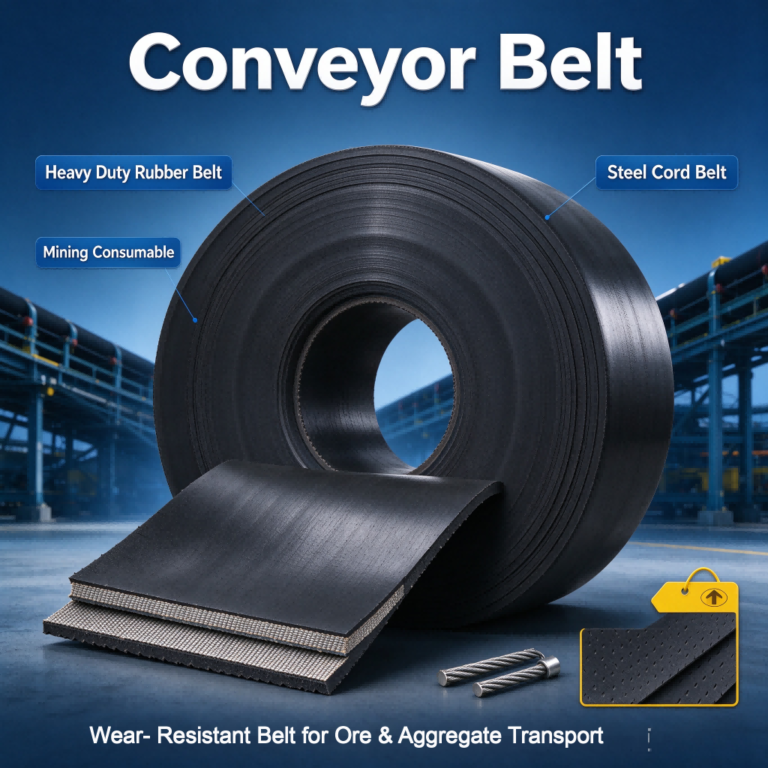
- Belt Conveyor
Grinding & Classification System
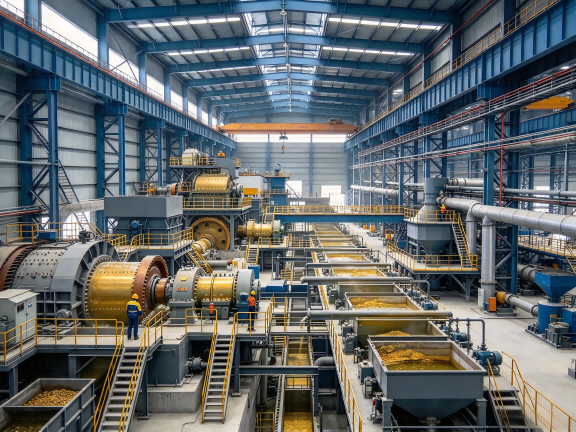
- Ball Mill / Rod Mill
- Hydrocyclone
- Slurry Pump
Flotation System
- Agitation Tank (Conditioning Tank)
- Flotation Cells (Roughing, Scavenging, Cleaning)
- Automatic Reagent Dosing System
Concentrate Dewatering & Tailings System
- Thickener for Copper Concentrate
- Filter Press / Vacuum Filter
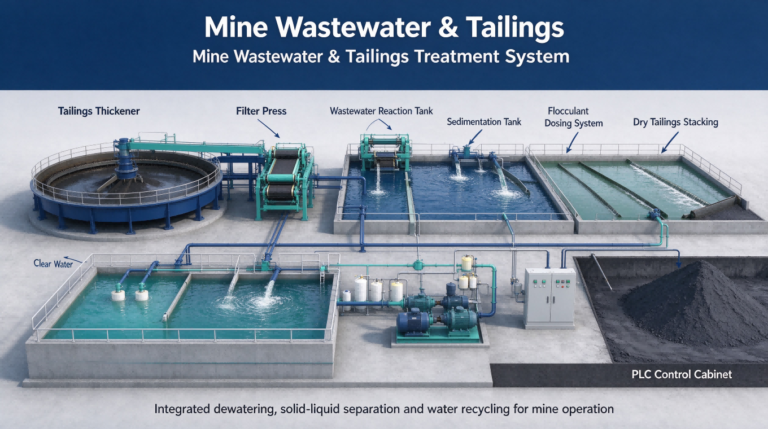
- Tailings Thickener
- Tailings Delivery Pump & Pipeline
Auxiliary System
- Air Compressor
- Water Supply & Circulation System
- Electric Control Cabinet & Online Monitoring System
Plant Floor Area Reference
Reference land occupation for full flotation plant (excluding open pit mine area):
- 100–300 TPD Small Scale Plant: 4,000 – 9,000 ㎡
- 500–1000 TPD Medium Scale Plant: 12,000 – 25,000 ㎡
- 1000–5000 TPD Large Scale Plant: 30,000 – 60,000 ㎡
Note: Flotation plant requires flat land for workshop construction, workshop buildings for grinding, flotation and dewatering sections. Tailings pond area needs extra independent land planning.
Consumables & Flotation Reagents
- Collector (Xanthate / Dithiophosphate): Capture copper sulfide mineral particles
- Frother (MIBC, Pine Oil): Generate stable foam for mineral separation
- Depressant: Suppress pyrite, sphalerite or gangue minerals
- PH Regulator (Lime, Sulfuric Acid): Adjust pulp pH value to optimize flotation condition
- Wear Parts: Ball mill liners, grinding steel balls, pump impellers, flotation rubber stator & rotor
- Filter Cloth & Pipeline Rubber Lining: Regular replacement consumables for dewatering and slurry delivery
Process Flow Summary
Ore Crushing → Ore Grinding → Hydrocyclone Classification → Pulp Conditioning → Rough Flotation → Scavenging & Cleaning Flotation → Copper Concentrate Thickening → Concentrate Filtration → Copper Concentrate Product
FAQ
Q1: What type of copper ore fits sulfide flotation process?
A1: This plant is designed for primary copper sulfide ore such as chalcopyrite, chalcocite and bornite. It works best for medium or high grade sulfide copper deposits. It cannot get good results for pure oxide copper ore.
Q2: What final product can we get from the flotation line?
A2: High-grade copper concentrate (Cu 20~28%). Copper concentrate will be sold to copper smelters for further smelting to LME copper cathode.
Q3: What is the difference between copper sulfide flotation and copper oxide SX-EW?
A3: Flotation is physical separation for sulfide ore and produces copper concentrate. SX-EW is hydrometallurgy for oxide ore and directly produces copper cathode. Ore mineralogy test is required before process selection.
Q4: Can the flotation plant recover associated metals like zinc, lead and gold?
A4: Yes. We can design selective flotation circuit to separate copper, lead, zinc and recover associated gold/silver from the sulfide ore, maximizing your mine economic benefit.
Q5: What consumables need to be purchased continuously during plant operation?
A5: Main regular consumables are flotation reagents including collector, frother and lime. Wear parts like steel balls, mill liners and pump spares also need periodic replacement.
Q6: Do you provide full turnkey solution for copper sulfide flotation project?
A6: Yes. Our turnkey service covers ore mineral testing, process design, equipment manufacturing, workshop layout, installation guidance, operator training and long term after-sales support.
Ready to Build Your Copper Sulfide Flotation Beneficiation Plant?
Send us your ore assay report, mineral composition, target capacity and mine site condition. Our metallurgical team will prepare customized process design and quotation for you.
Please provide: Ore test report, Cu grade, daily processing capacity, associated metal elements, local power & water condition